Smoke & Soot Removal in Sherman Oaks, CA
Acidic soot keeps etching surfaces after the flames are out. Crews remove residue with the right technique for the material, before it becomes permanent damage.
Smoke and soot removal treats acidic residue left behind on walls, ceilings, and contents after a fire, using dry sponges, specialized solvents, and technique matched to whether the residue is wet or dry smoke. In Sherman Oaks, this cleanup needs to happen quickly since soot continues to etch glass, discolor metal, and yellow paint for days if left untreated, and can also settle inside HVAC ductwork and keep circulating odor. Call (818) 381-0379.
Soot Keeps Damaging Surfaces Long After the Fire
Soot isn't inert residue sitting harmlessly on a surface. It forms from incomplete combustion and carries acidic compounds that keep reacting with whatever they've settled on, glass, chrome fixtures, painted walls, even after the fire is fully extinguished. The longer it sits, the more it etches and discolors, turning a cleanable surface into one that needs refinishing or replacement.
Wet smoke, typically from a slower-burning fire involving plastics or synthetic materials, leaves a sticky, smeary residue that spreads if wiped incorrectly. Dry smoke, from faster, hotter fires, leaves a powdery residue that's easier to remove but still damages surfaces if left too long. Getting the technique right for the specific residue type is what separates a full recovery from a surface that has to be replaced.
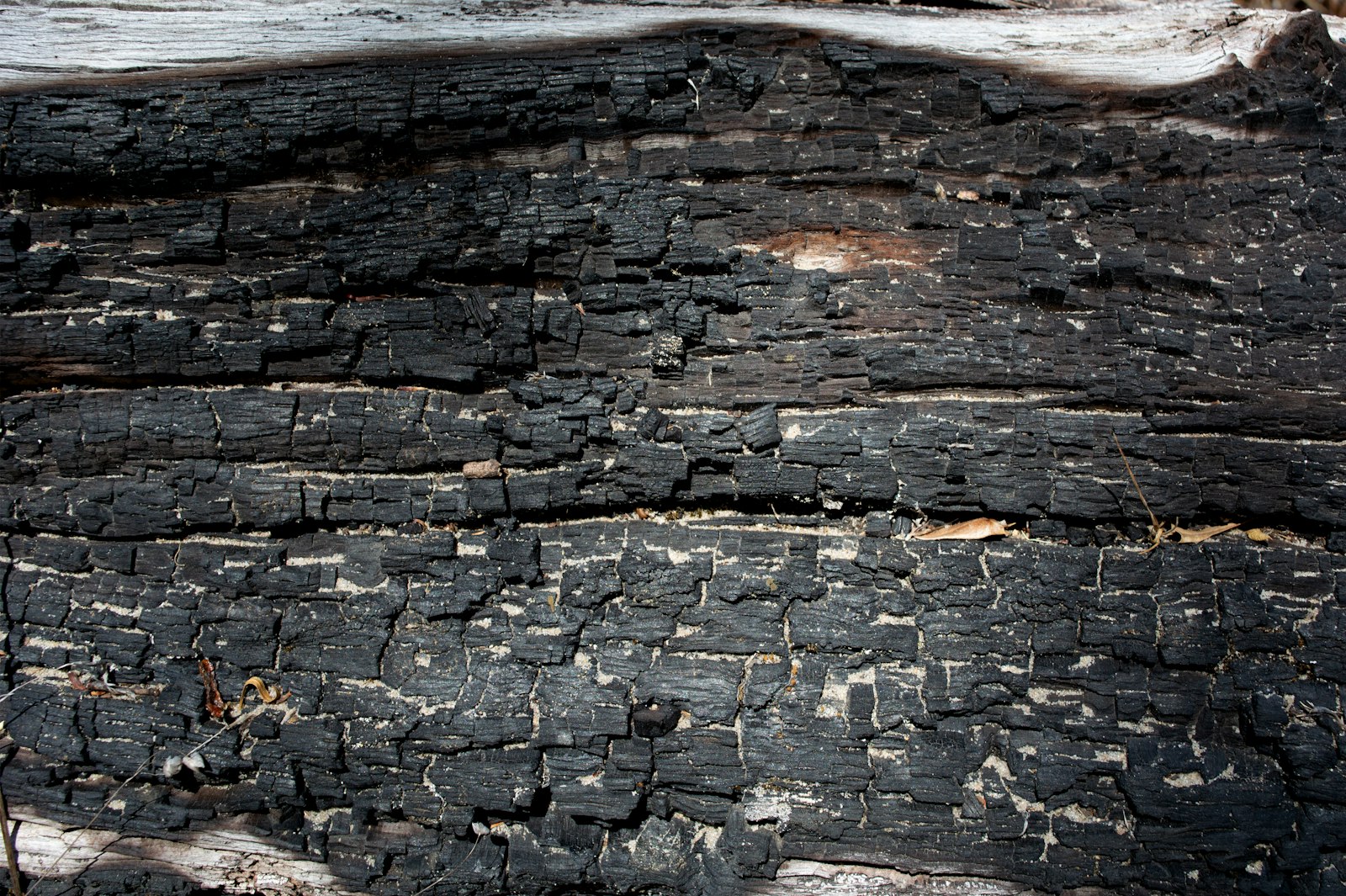
The Right Technique for the Residue Type
Wet smoke and dry smoke need different tools, using the wrong one spreads the damage instead of removing it.
Residue Assessment
Technicians identify whether the residue is wet or dry smoke and which materials are affected before starting.
Dry Sponge & Solvent Cleaning
Dry chemical sponges lift dry soot without smearing it, while specialized solvents break down wet smoke residue.
HVAC & Duct Check
Ductwork is inspected and cleaned if smoke particles settled inside, preventing recirculated odor later.
Untreated soot keeps etching your surfaces.
Call now and talk to a real Sherman Oaks technician in under 60 seconds. Free inspection, no call-out fee, and cleanup scheduled the same day.
Call (818) 381-0379 NowLive answer, 24/7 · Sherman Oaks & the San Fernando Valley
Warning Signs of Soot Damage
Black or gray residue on walls or ceilings
Visible soot even from a small fire needs proper removal technique.
A sticky or greasy film on surfaces
Points to wet smoke residue that requires specific solvents.
Discolored metal fixtures or glass
A sign soot's acidic residue has already begun etching the surface.
Smoke smell circulating from vents
Suggests soot particles settled inside the HVAC system.
What Not To Do
Don't wipe soot with a damp cloth
This smears residue deeper into the surface instead of lifting it.
Don't run the HVAC system
Running it can spread soot particles to unaffected rooms.
Avoid heavy foot traffic over sooty carpet
This grinds residue further into fibers, making cleaning harder.
Photograph the residue before touching anything
Helps document the damage for your insurance claim.
Often Needed Alongside Soot Removal
Smoke & Soot Removal FAQs
Why is soot residue considered acidic?
Soot forms from incomplete combustion of household materials and often contains acidic compounds that continue reacting with surfaces after the fire is out. Left untreated, it keeps etching glass, discoloring metal, and yellowing painted walls for days, which is why fast cleanup matters even after a small fire.
What is the difference between wet smoke and dry smoke residue?
Wet smoke comes from a slower-burning fire, often involving plastic or rubber, and leaves a sticky, smeary residue that requires specialized solvents to remove without spreading it further. Dry smoke comes from a fast, high-temperature fire and leaves a powdery residue that's typically easier to vacuum and wipe.
Can smoke odor be trapped in HVAC systems after cleanup?
Yes. Smoke particles travel through ductwork during a fire and can settle inside the HVAC system, continuing to circulate a faint odor every time the system runs, even after visible cleanup is done. Duct cleaning and filter replacement are often necessary alongside surface cleaning.
Is it safe to clean soot off walls myself?
It's not recommended for anything beyond very minor surface soot. Wiping with the wrong technique or cleaner can grind soot particles deeper into paint or drywall, making professional removal harder and more expensive later. Professional cleaning uses dry sponges and specific solvents matched to the residue type.
How quickly should soot cleanup start after a fire?
As soon as it's safe to re-enter the property. The acidic nature of soot means damage to surfaces compounds daily, and odor becomes more deeply embedded in porous materials the longer cleanup is delayed, so same-day or next-day cleanup gives the best results.
Stop soot from doing more damage today.
Free inspection, no call-out fee, and insurance billed directly. Call and a real technician is on the way.
Call (818) 381-0379