Emergency Water Extraction
Active standing water from any source, removed with truck-mount and portable extraction before it spreads further.
See extraction processFrom the first inch of standing water to a fully dried structure, the local pros we connect you with handle extraction and drying across both the 91403 hillsides and the 91423 flats — so you call once and the emergency is handled.
Water damage mitigation is the process of removing standing water and drying a structure to industry-dry standards, following the IICRC S500 standard. In Sherman Oaks that means fast extraction (water travels through drywall and subfloor within the first hour), commercial air movers and LGR dehumidifiers, and daily moisture monitoring until the structure is dry. This network handles that extraction-and-drying phase, not the drywall, flooring, or trim rebuild that may follow, and can refer you to a licensed contractor for that separately. The network covers all 10 water damage scenarios below across 91403 and 91423, 24/7, with direct insurance billing. Call (818) 381-0379.
A burst supply line, an overflowing tub, or a winter storm rolling off the Santa Monica Mountains all start the same way: water finding the path of least resistance into drywall, subfloor, and framing. Within the first hour, porous materials begin absorbing moisture. By hour 24, untreated drywall is often saturated and swelling. By 24 to 48 hours, conditions are right for mold colonization to begin — which is also roughly when insurers start asking why mitigation was delayed.
Sherman Oaks adds two very different local wrinkles depending on which side of Ventura Boulevard you're on. In the 91403 hillsides south of Ventura toward Mulholland Drive, homes near Longridge Avenue and Coldwater Canyon Avenue sit on slopes where retaining-wall seepage, slope drainage failure, and aging hillside supply lines cause slow leaks that surface far from where the water actually entered. In the 91423 flats near Moorpark Street and Riverside Drive, older 1920s–40s homes closer to the Valleyheart/LA River corridor deal with clay sewer laterals prone to root intrusion and storm-drain backup during heavy rain, plus slab leaks in post-war construction.
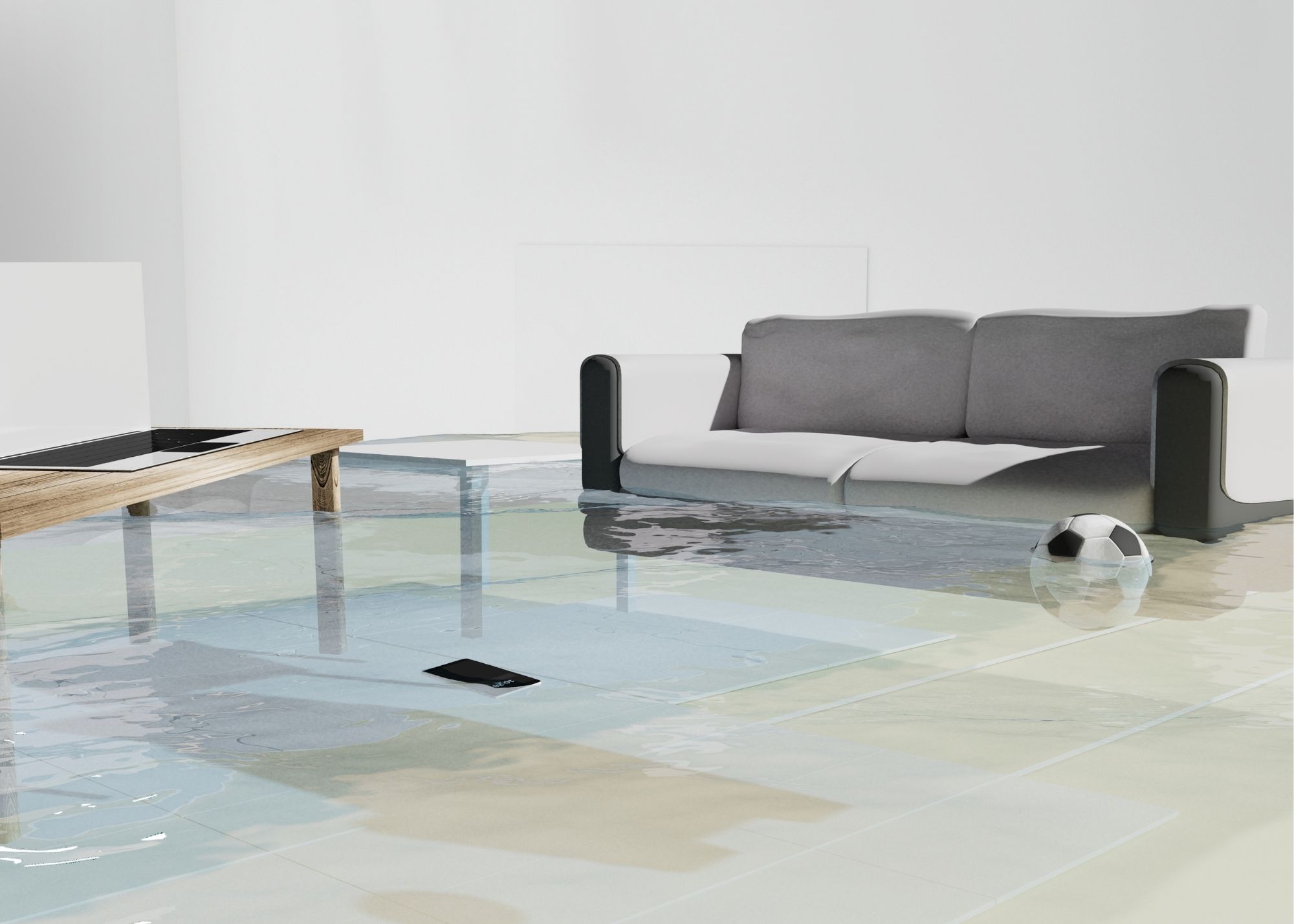
Ten services, one dispatch. Each scenario below has its own causes and drying timeline — explore the one that matches what's happening at your property.
Active standing water from any source, removed with truck-mount and portable extraction before it spreads further.
See extraction processBelow-grade flooding from hillside runoff, foundation seepage, or hydrostatic pressure against a Sherman Oaks retaining wall.
See basement cleanupCorroded or pressure-failed pipes soaking walls and floors, often behind the scenes until it's severe.
See burst pipe responseCopper supply lines corroding under post-war slab foundations, common in Sherman Oaks flats near Woodman Avenue.
See slab leak dryingSagging, stained, or bubbling ceilings from roof leaks or an upstairs plumbing failure.
See ceiling dryingCategory 3 contaminated water from clay sewer laterals, requiring containment zones and EPA-compliant disposal.
See sewage cleanupAcoustic and thermal leak detection that finds hidden hillside or slab leaks before drywall has to come out.
See leak detectionDocumented moisture readings across every affected room, the paper trail your insurance adjuster will ask for.
See moisture mappingMusty and sewage odors neutralized at the source, not masked, after any water or sewage loss.
See odor removalWhile you're reading this, moisture is wicking into your drywall and subfloor. Call now and talk to a real Sherman Oaks water damage technician in under 60 seconds. Free inspection, no call-out fee, and extraction starts the same day.
Call (818) 381-0379 NowLive answer, 24/7 · Sherman Oaks & the San Fernando Valley
A real person answers, gathers basic details about the water source and affected area, and dispatches a local crew, typically arriving in Sherman Oaks within about an hour.
The crew identifies the water category (1, 2, or 3) and class, then maps moisture with meters and thermal imaging to find water you can't see.
Truck-mount and portable extraction units remove standing water, often hundreds to thousands of gallons on larger losses.
Unsalvageable materials, soaked insulation, ruined carpet pad, swollen baseboard, are removed to stop trapped moisture and odor.
LGR dehumidifiers and air movers run in a set ratio while moisture is checked daily until materials hit dry standard, with photos and documentation for your insurer.
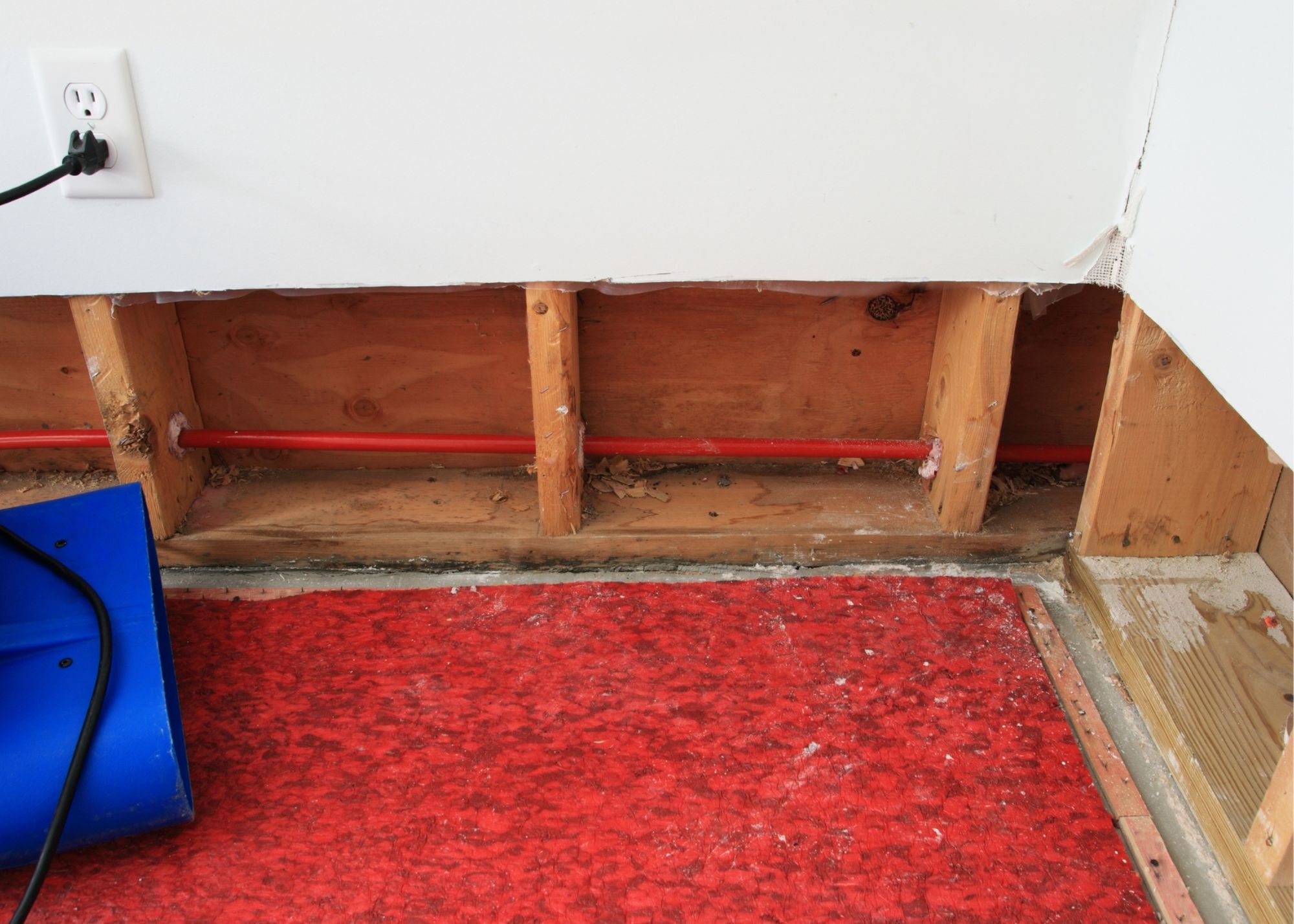
Any pooling on floors, especially near appliances or hillside-facing exterior walls after rain.
Yellow-brown staining or new bubbling paint usually means water behind the surface.
Often the first sign of moisture trapped inside a wall, floor, or cabinet.
A hidden slab or hillside supply-line leak can raise usage well before any visible sign appears.
Close the main or the fixture's local shutoff valve if you can reach it safely.
Never enter standing water near an electrical panel or outlet, call first.
Lift items off wet floors onto dry, elevated surfaces to limit secondary loss.
Standard vacuums are not built for water and create an electrical hazard.
Covering both the hillsides south of Ventura Boulevard and the flats near Moorpark Street and the LA River, plus Studio City, Encino, Van Nuys, Valley Village, and North Hollywood. See the full service area map.
Mitigation is the emergency phase: extracting standing water and drying the structure to prevent further loss. Restoration is the rebuild phase that follows, replacing drywall, flooring, and trim to return the space to pre-loss condition. The pros in this network handle the mitigation phase only, extraction and drying, and can refer you to a licensed contractor for the rebuild phase if one is needed.
Many Sherman Oaks homes, especially post-war construction near Coldwater Canyon and Woodman Avenue, sit on slab foundations with copper supply lines run under the concrete. Decades of soil movement and pipe corrosion cause pinhole leaks that go undetected until a warm spot on the floor or a rising water bill gives it away.
Most Class 1 or 2 water losses dry in 3 to 5 days with commercial air movers and LGR dehumidifiers running continuously. Class 4 losses involving hardwood, plaster, or slab concrete common in older Sherman Oaks homes can take longer. Moisture is monitored daily with meters, not guesswork, before equipment is pulled.
In most Category 1 or 2 losses affecting one or two rooms, yes; the work area is contained while you continue living in unaffected parts of the home. Category 3 losses, active mold growth, or damage affecting electrical systems may require temporary relocation, which the technician will tell you honestly during the inspection.
Shut off the water source if it is safe to reach the valve. Stay away from standing water near outlets or panels. Do not run a household vacuum on standing water. Then call; every hour of delay lets water travel further into subfloors, drywall, and framing.
Yes. Water damage restoration and mold remediation are available from the same network, which matters because mold can begin colonizing damp drywall in as little as 24 to 48 hours. If mold is found during drying, containment and remediation can start immediately without bringing in a second contractor.
We answer live 24/7 in Sherman Oaks and the San Fernando Valley, connect you with a pro who shows up the same day, and they bill your insurance directly. No forms, no waiting on a callback, just a real technician on the way.
Call (818) 381-0379